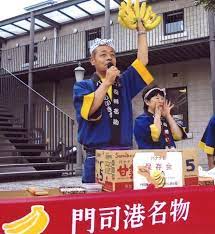
Moji Port Retrospective District is a sightseeing area located in Moji Ward, Kitakyushu City. The district around Moji Station has been designed to recreate the atmosphere of the Taisho period. This is achieved by preserving the historic buildings that once thrived on international trade, while also integrating new hotels and commercial facilities. The local food specialty is baked curry rice, and visitors can also watch entertaining banana auction performances.
Japanese Official Site (No English Page): Mojiko Retro Area https://www.mojiko.info
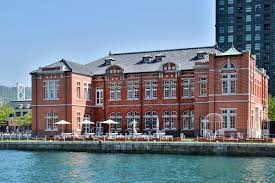
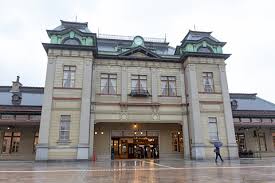
Mojiko Station
Completed in 1913, Mojiko Station was designated as an Important Cultural Asset in 1988, making it the first railroad station to receive this status. The wooden two-story building is designed in a Renaissance style, characterized by its symmetrical form. Its front gate is said to be shaped like the Chinese character ‘門’ (mon), which means “gate.”
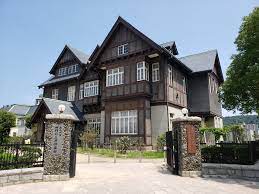
The former Moji Mitsui Club House
Built in 1922 as a social club for the Mitsui company, this building is constructed in the half-timbered style. The spaces within the wooden framework are filled with mortar, brick, and stone, blending different materials. Its interior is decorated in the Art Deco style, evoking Taisho Roman—the modern tastes of early 20th-century Japan. The house is also notable as the hotel where Albert Einstein and his wife stayed.
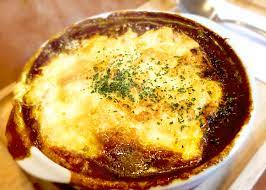
Grilled curried rice
This dish is said to have originated at a café in Moji Port in the 1960s. The café began baking unsold curry rice in the style of a gratin and discovered it was exceptionally tasty. Its popularity grew quickly, and it soon became a favorite home-cooked meal throughout the district. Today, it is prepared by baking rice topped with curry, cheese, and an egg in the oven, and has become a must-try local specialty for visitors.
Banana showy selling
When Moji Port served as a gateway for international trade, bananas were a major import. Vendors would sell them at greatly reduced prices using theatrical calls and songs. The lyrics from these performances have been preserved and are now revived as a tourist attraction in the district.