Shimabara Castle was constructed during the Edo period under the feudal lord Matsukura Shigemasa (also known as Matsukura Morishige). The construction took over seven years to complete.
More about Japanese Castles , Click here.
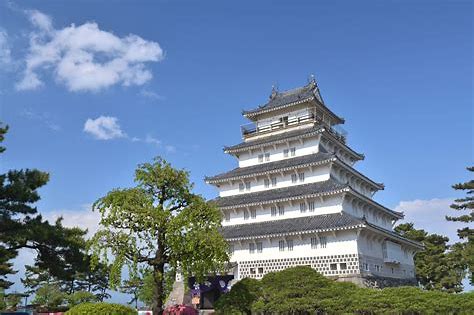
The castle came under attack during the Shimabara Rebellion (1637–1638), a major Christian-led uprising against the Tokugawa shogunate. The rebellion was sparked by heavy taxation and religious persecution following the shogunate’s ban on Christianity. Led by the charismatic young Amakusa Shirō, the rebels were eventually suppressed by shogunate forces. In the aftermath, the Christian faith was driven underground. Believers in Nagasaki and the surrounding region were forced to conceal their religion, becoming what are known as “Hidden Christians” (Kakure Kirishitan), who secretly preserved their faith until the ban was lifted in the 19th century.
More about Christianity in Japan, click here.
More about Christianity in Japan , Click here.
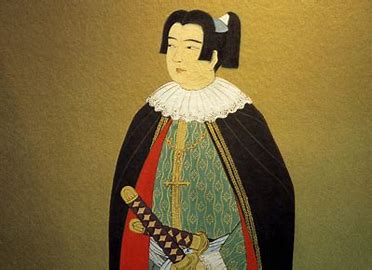
The original castle was demolished in the Meiji period but was reconstructed in 1964. The keep now houses museum displays that highlight the region’s cultural history, including exhibits of samurai armor and materials related to the Christian influence on the local domain and the historic Shimabara Rebellion.