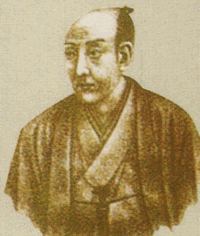
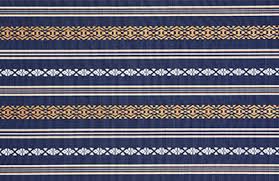
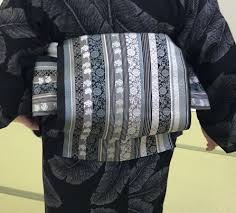
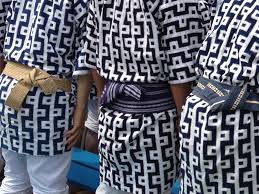
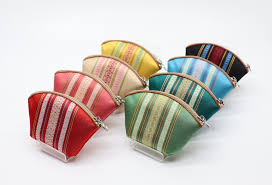
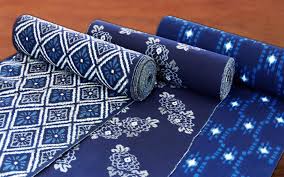
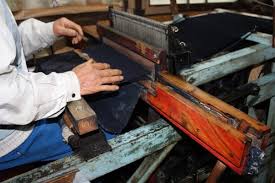
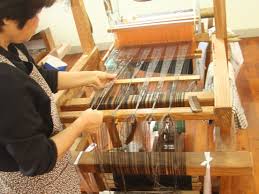
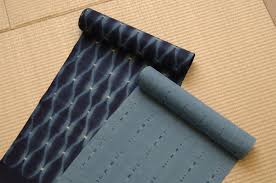
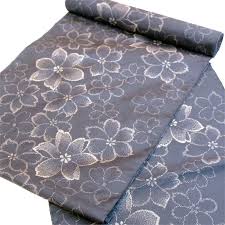
Master Shoichi Kokushi, Brought from the Song Dynasty, Yazaemon Mitsuta, Foundation of Hakata-ori, Thick fabric, Hakata Kenjō (tribute textiles), Kenjō pattern, Floating weave, Raised with thick threads, Striped pattern, Dokko pattern (Buddhist ritual implement motif), Hanazara pattern (flower dish motif), Hakata obi (sash), Men’s obi for Yamakasa festival
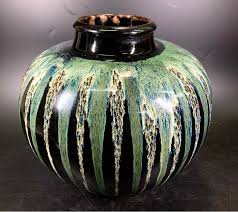
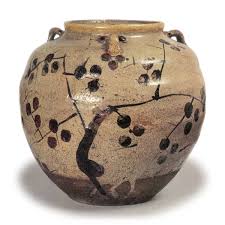
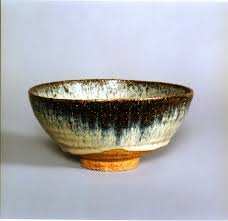
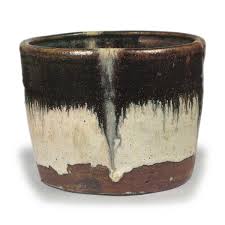
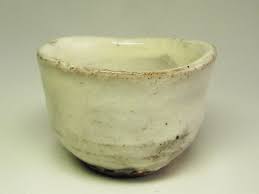
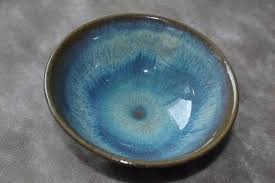
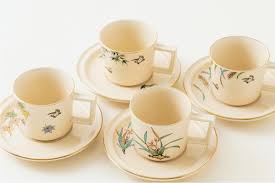
Fukuchi Town, Tagawa District, Founder Sansai Hosokawa, Prominent disciple of Sen no Rikyū, Potter Sonkai, Official kiln of the domain, One of the Seven Kilns of Enshū, Favored by tea masters, Tea ceramics, Thin-walled style, Ash glaze, Green Blue flow, Glaze, “First Raku, second Hagi, third Karatsu, fourth Agano”
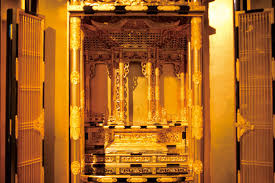
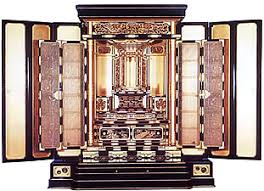
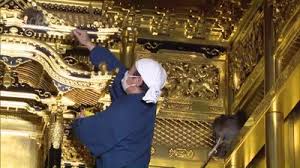
Edo period, Techniques of Buddhist sculptors and temple carpenters, Paradise of the Pure Land, Kinbutsudan (gold Buddhist altar), Jōdo Shinshū households, Karaki butsudan (hardwood altar), Lacquer coating, Maki-e (gold and silver lacquer decoration), Carving, Gold leaf application, Division of labor, Kijishi (wood-base craftsman), Kyūdenshi (palace maker), Chōkokushi (carver), Nurishi (lacquerer), Maki-eshi (maki-e artist), Kinpaku-oshi-shi (gold leaf applier), Handmade, Hinoki cypress and cedar, Art and tradition
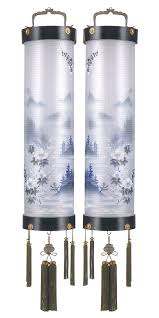
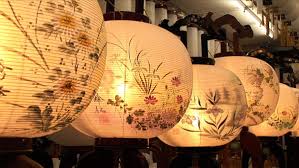
Since the Edo period, Spiral-shaped resilient frame, Accordion structure, Graceful curves, Handmade washi paper, Bamboo ribs, Hand-painted decoration, Paintings of landscapes, flowers, and birds, Rokuro (lathe) technique, Division of labor, Long cylindrical “Sumiyoshi,” Hanging “Gotemmari,” Common “Andon,” 80% used for Obon festival
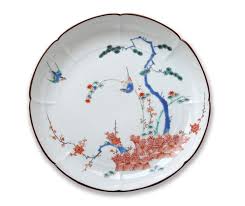
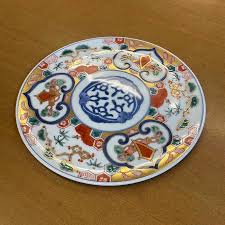
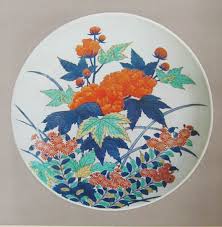
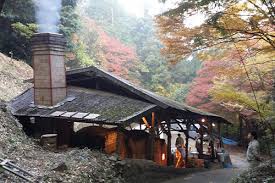
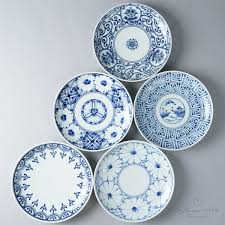
Arita and its shipping port Imari, Korean potters, Izumiyama porcelain stone discovered by Yi Sam-pyeong, 1616, Translucent white clay body, Patronage of the Nabeshima domain, Ko-Imari (Edo period Imari), Kakiemon style with milky-white body and nigoshide (creamy ground), Nabeshima style with polychrome and intricate designs, White porcelain, Gosu (cobalt blue underglaze), Akae (red overglaze), Iroe (polychrome overglaze), Kinrande (gold decoration), Division of labor, Noborigama (climbing kilns), Consistent high firing temperature, Mass production, Influenced Meissen porcelain
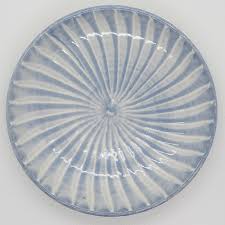
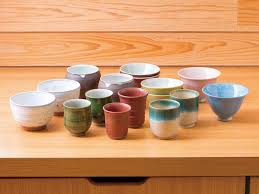
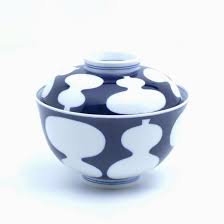
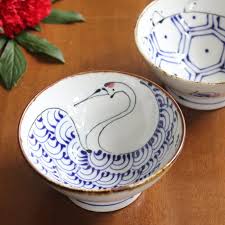
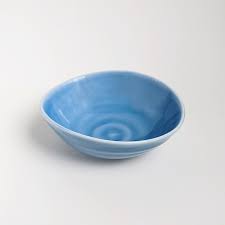
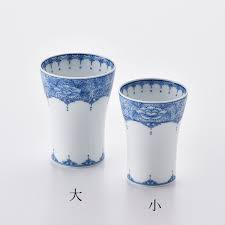
400-year history, “Arita for the lords, Hasami for the commoners,” Everyday tableware for ordinary people, Kurawanka bowls, Durable and lightweight, Mass production, Modern and refined pieces, White porcelain, Sometsuke (blue underglaze painting), Indigo glaze, Shirosabi (white rust glaze), Young creators, Daily lifestyle goods
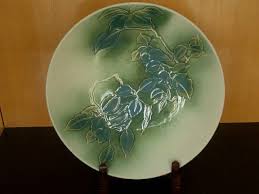
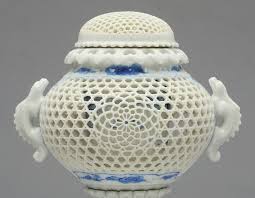
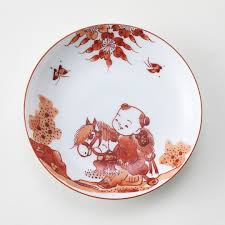
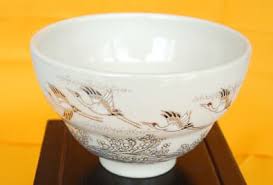
Official kiln of the Hirado domain, Offerings to the shogunate, Renowned for whiteness and thinness, Elegant and delicate, Exquisite craftsmanship, White porcelain, Sometsuke (blue underglaze painting), Sukashibori (openwork carving), Double carving, Karako-e (Chinese children motifs), Ruri glaze (cobalt blue glaze), Rust glaze, Offerings to the shogunate such as the “Unkakumaru” (Cloud-and-Crane circle design)
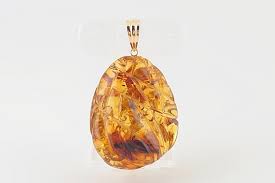
Nanban trade from Southeast Asia, Hawksbill turtle shell, CITES (Convention on International Trade in Endangered Species) – endangered species – international trade banned, Only existing stock used, Amber, reddish-brown, and yellow colors, Softens when heated – heat-molded, Eyeglass frames, Kanzashi (hairpins), Combs
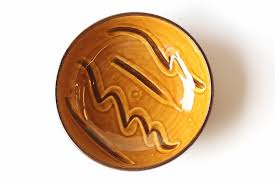
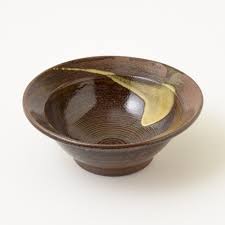
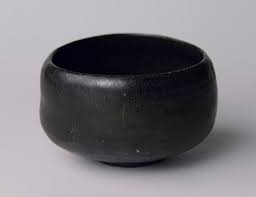
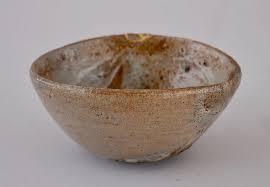
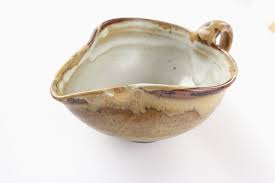
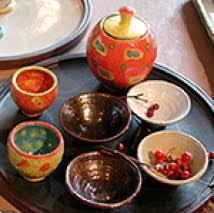
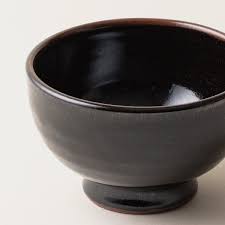
Northern Kumamoto Prefecture, Mt. Shodai, Gennaosuke Komichi and Hachizaemon Katsuragi from Buzen, Side work of farming households, Pottery of the common people, Beauty of utility, Earthen character, “First firing, second clay, third forming,” Noborigama (climbing kiln), Shodai ware is defined by glaze colors and kiln fire effects, Clay rich in small pebbles, Rice-husk ash, Wood ash, Feldspar glazes, Varied glazes (yellow, amber, black, green)
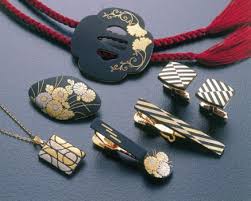
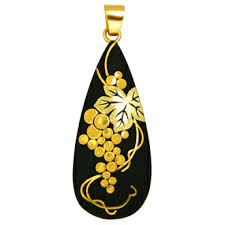
Style of embedding gold and silver into black iron, Since the early Edo period, Decoration for gun barrels and sword guards, Patronage of the Hosokawa clan, After the Haitōrei (Sword Abolishment Edict) used for personal ornaments, Subtle and refined, Iron base, Exquisite craftsmanship, Four techniques: Shishibori-zōgan (relief inlay), Nunome-zōgan (textile-pattern inlay), Katakiri-zōgan (engraved line inlay), Suki-oroshi-zōgan (planed-surface inlay), Japanese natural motifs, Geometric patterns
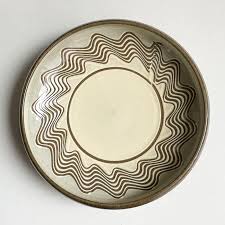
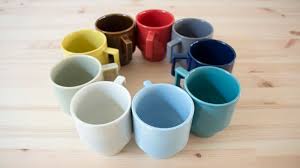
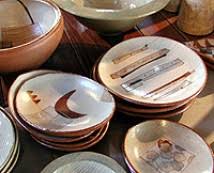
Production area for both pottery and porcelain, High-quality Amakusa pottery stone, Korean potters, Porcelain developed in the late Edo period, Porcelain (white stone ware): white porcelain, sometsuke (blue underglaze), iro-e (polychrome overglaze), Pottery (earthenware): kohiki (white slip), hakeme (brush-mark slip), yasuribori (file carving), natural ash glaze, Mingei movement, From daily utensils to fine art crafts, Beauty of utility
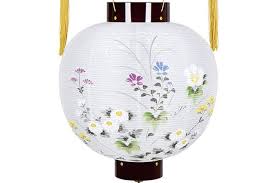
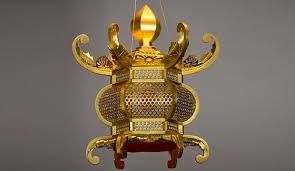
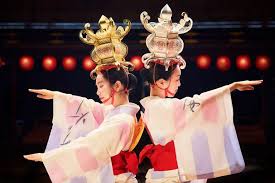
Decorative lanterns not hung, Made only with washi paper and glue, Entirely crafted by a single artisan, “Happō-hirogaru” (expanding in all directions), Sukashibori (openwork carving), Inner lighting, Handmade washi paper, Carving, Papier-mâché, Gofun (white pigment), Yamaga Lantern Festival, August 15–16, “Yoheho dance,” Women carry “golden lanterns” on their heads, Emperor Keikō guided by torches after losing his way in dense fog, Hachiman Shrine
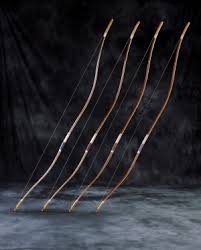
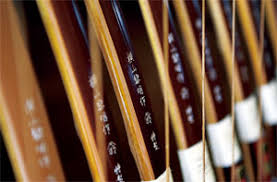
Japanese longbow、Traditional Japanese-style longbow, Patronage of the Shimazu domain, Composite bow of bamboo and wood, About 2.2 meters in length, Flexibility and repulsive force, Smooth touch and suppleness, Madake (Japanese timber bamboo), Cedar, hemlock, and cypress, Deer antler, Lamination technique – bamboo and wax tree layers bonded in multiple plies
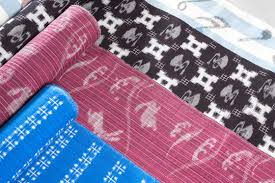
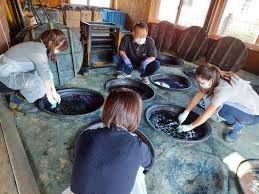
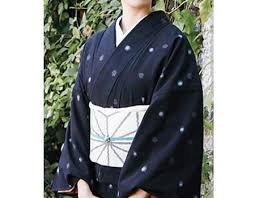
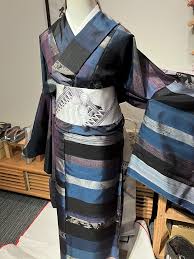
Amami Ōshima and Miyazaki Prefecture, Silk textile, 100% pure silk, Since the Ryukyu Kingdom era, Specialty product of the Satsuma domain, Offered as tribute, Mud-dyeing, Deach tree tannin – brown color, Tannin combined with iron in the mud producing deep dark brown-black, Repeated process dozens of times (over 30 steps), Kasuri (ikat) patterns, Hand weaving, Light and durable, Resistant to wrinkling, “Kidaore” (ruin oneself by buying clothes), Finest quality textile
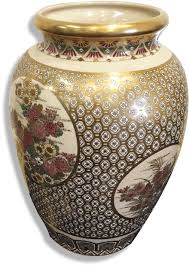
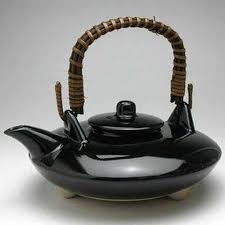
Two main styles: Shiro-mono (White Satsuma – porcelain) and Kuro-mono (Black Satsuma – pottery), Korean potters, Domain kilns, Korean potters settled in Naeshirogawa – birthplace of Satsuma ware, Division of labor, 1867 Paris Exposition, JaponismeWhite Satsuma: Milky-white clay body, Kan’nyū (fine crackle glaze), Exquisite painting, Kinrande (gold decoration), Sunken carving, Offerings to the shogunate, Export pieces, Black Satsuma: Dark brown glaze, Earthen texture, Everyday wares, Bottles, Jars, Mortars, Earthen pots, Beauty of utility