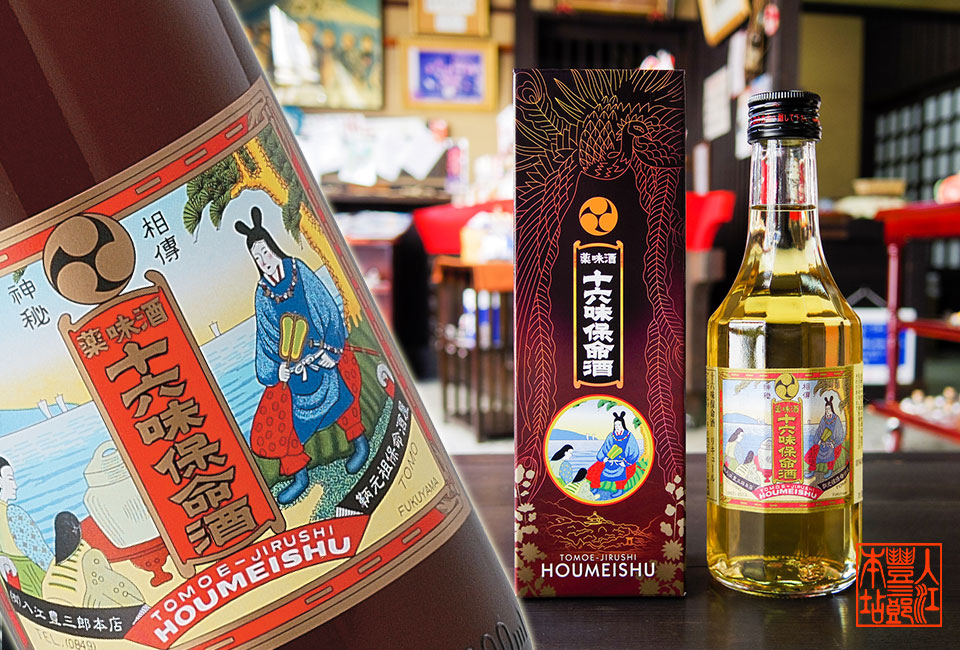
保命酒
Hou-mei Syu is an herbal sake produced only in Tomoura, Fukuyama City, in Hiroshima Prefecture. Sweet sake Mirin is used as the base liquor, with 16 kinds of herbs, such as cinnamon, soaked in it. It is classified as a liqueur. The alcohol content is approximately 14 percent.
福山ラーメン
Fukuyama ramen is remarkably characteristic for its matured flat noodles and minced pork fat floating on the light yet rich soy sauce-flavored soup made from chicken and small dried sardines. It was adapted from Onomichi ramen, which uses iriko (small dried sardines) from the Seto Inland Sea, and minced pork as the key ingredient every shop puts the most effort into.
![絶品!福山市でおすすめのラーメン特集 | 福山市のおすすめグルメ| まいぷれ[福山市]](https://img2.mypl.net/image.php?id=5b5dbdf87241d0ea9495a2c41fdeab9cf9bc3bff_cms_image.JPG&p=s3-img-origin02&s=960_1480&op=)
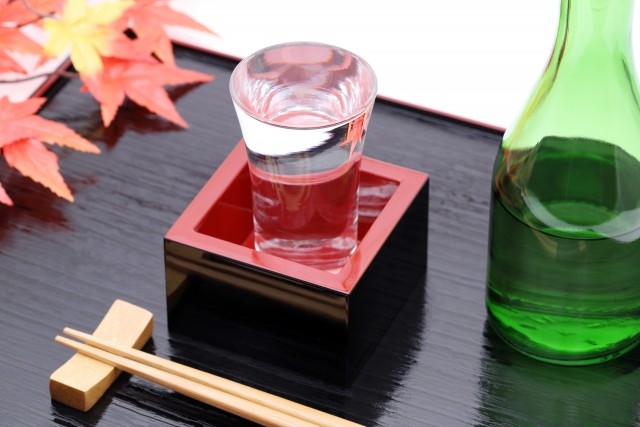
西条の清酒
Saijo Sake refers to Japanese liquor brewed in the Saijo area of Hiroshima Prefecture. The ‘Saijo water,’ which springs from underground, is so rich in minerals that it is suitable for producing good sake with the qualities of hardness and crispness. It is made from top-quality sake rice, mainly Yamadanishiki. It is characterized by its refreshing dry taste, which is in good balance with the umami of the rice. ‘Kammotsuru’ and ‘Shirobotan’ are famous brewers. It goes well, of course, with Japanese dishes, but it can also match various other kinds of food.
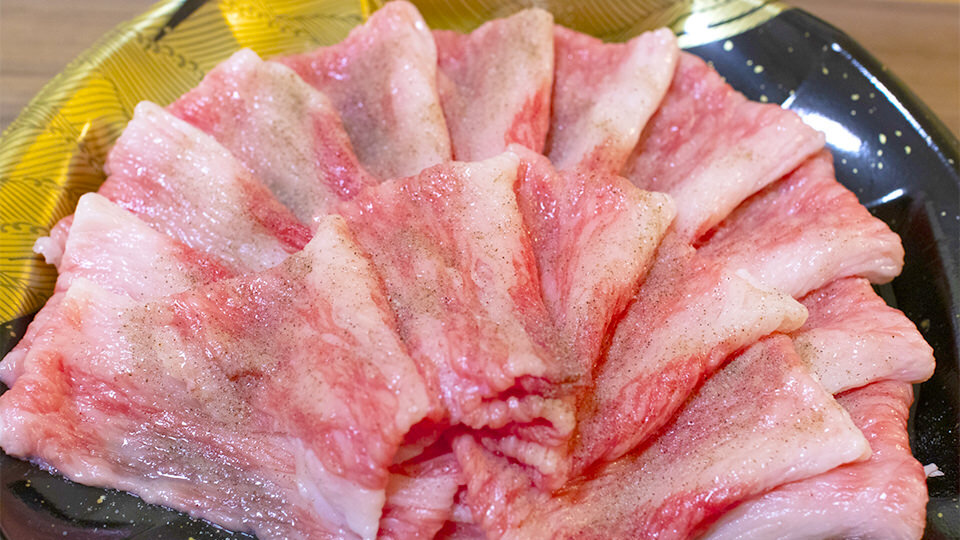
コウネ
The cut of ‘Koune,’ only referred to in Hiroshima, is equivalent to brisket, or shoulder belly beef. Koune indicates the red part and its surrounding fat between the front legs, which is physically very active. Outside Hiroshima, this meat is considered part of the shoulder beef, so few people there are familiar with it. It has a good balance of a bit of firm red meat and crispy fat. You can get a better taste the more you chew it. In Hiroshima, Koune is eaten as soul food in Korean BBQ restaurants.
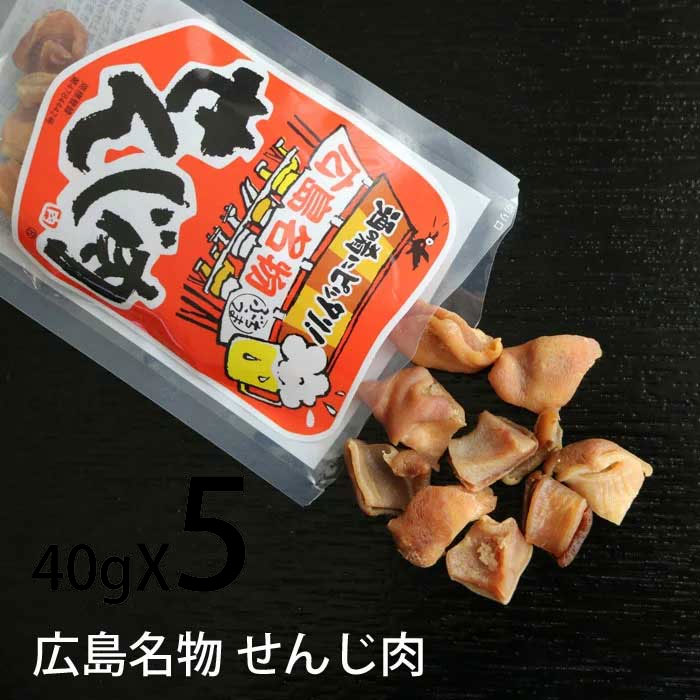
せんじ肉
Senji meat is a local delicacy of Hiroshima, made by deep-frying pork innards, then drying and salting them. The term ‘Senji’ is said to have come from ‘Senjiru,’ which means ‘boiling,’ a part of the process for cooking Senji. In Hiroshima, it is also called ‘Senjigara.’
あなご飯
Anago Meshi is a dish of conger eel on rice. It is made by broiling a conger eel, slicing it thinly at an angle, and then placing it on top of rice boiled in a dashi broth. Miyajima Town and Hiroshima City are rich in conger eels. They have been eaten there since ancient times.

焼きガキ
While you are walking on the approach street from the Miyajima Pier to Itsukushima Shrine, you will surely see many stands grilling oysters in their shells.

お好み焼き
This Hiroshima local food, known as Hiroshima-style Okonomiyaki, is made by frying a crepe-like thin batter, placing on it layers of cabbage, pork, bean sprouts and soba or udon noodles, turning the layers over to steam them, wrapping them in an egg, and finally sprinkling sauce and nori powder. The procedure is different from Osaka-style, in which all the ingredients are mixed in the batter before frying. Frying in layers is very distinctive, improving the sweetness of the vegetables and the texture of the noodles.
The phrase ‘Niku-Tama-Soba’ is very useful when you can’t choose what to order in an Okonomiyaki restaurant. It refers to a standard Okonomiyaki with pork, egg, and soba noodles. In most Okonomiyaki restaurants, Niku-Tama-Soba means a standard Okonomiyaki.

がんす
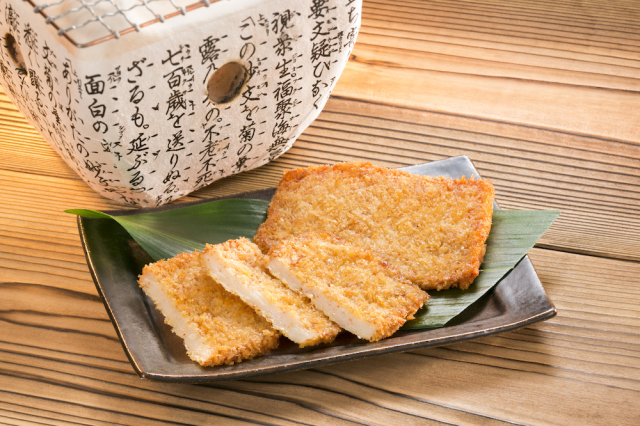
‘Gansu’ is a fish cake dish that is familiar to the people in Hiroshima, especially in Kure City. It is made by mixing fish paste with onions and chili peppers and deep-frying it.
牡蠣の乾き物
This is a product made from Hiroshima oysters, with condensed umami. It is made by boiling oysters and then drying them. Its taste goes well with beer or sake.
ウニホーレン
A Hiroshima specialty made by sautéing fresh sea urchin and spinach with butter and soy sauce. Its rich, savory flavor and elegant aroma make it a luxurious local dish.
![広島郷土料理 うにホーレンの写真素材 [64154756] - PIXTA](https://t.pimg.jp/064/154/756/1/64154756.jpg)
汁なし担々麺
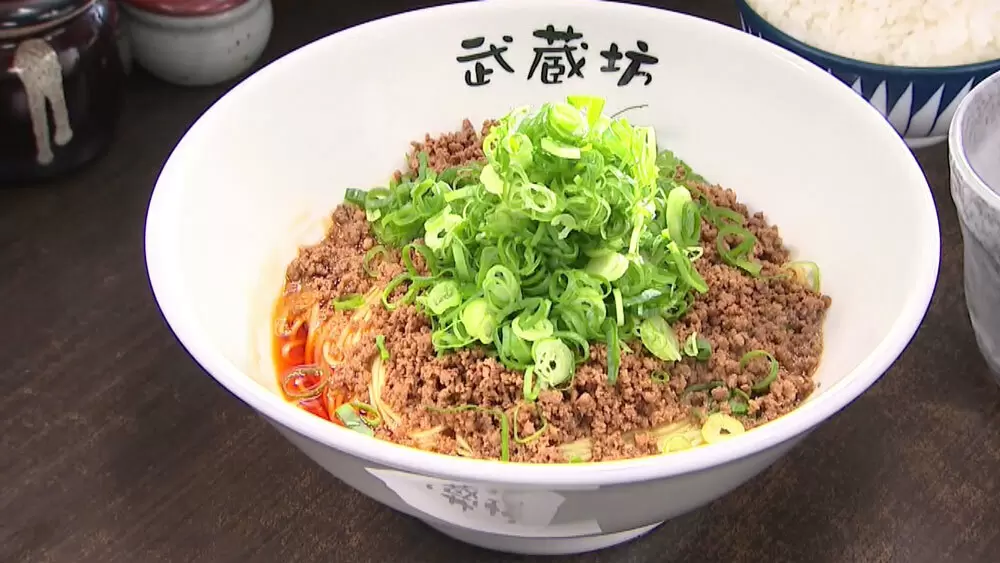
A soupless spicy noodle dish topped with minced meat, chili oil, and Sichuan pepper. Mix it well before eating to enjoy its bold, numbing flavor — a modern Hiroshima favorite.
牡蠣の土手鍋
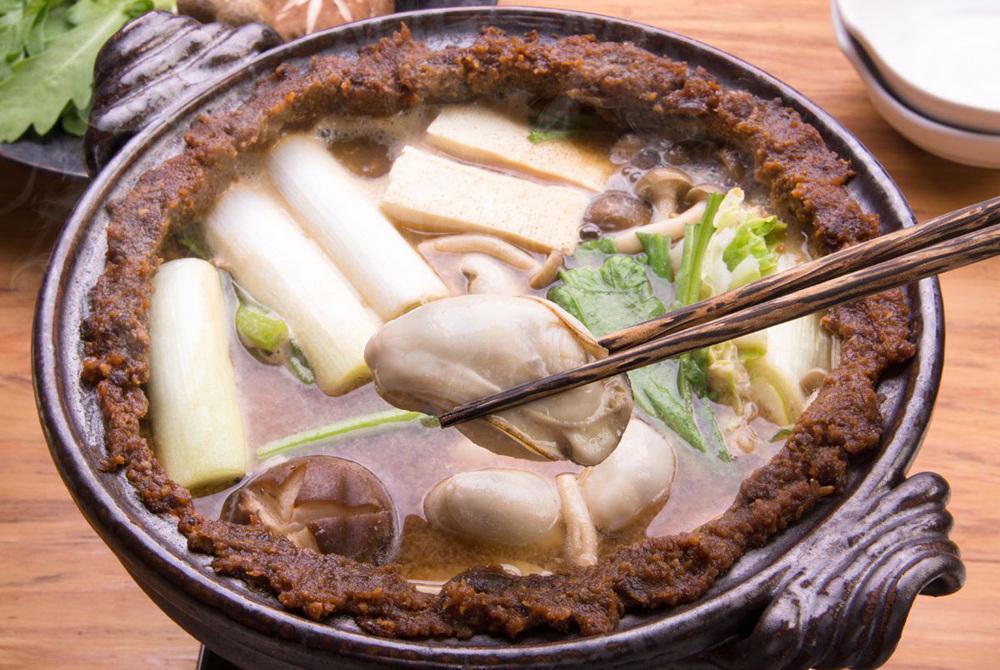
A hearty miso hot pot featuring Hiroshima oysters, tofu, and vegetables. The rich flavor of oysters blends perfectly with the savory miso broth. It’s a classic winter comfort food in Hiroshima.
モミジ饅頭
A small, maple leaf–shaped sponge cake filled with sweet bean paste. This iconic sweet from Miyajima is Hiroshima’s most famous souvenir.